
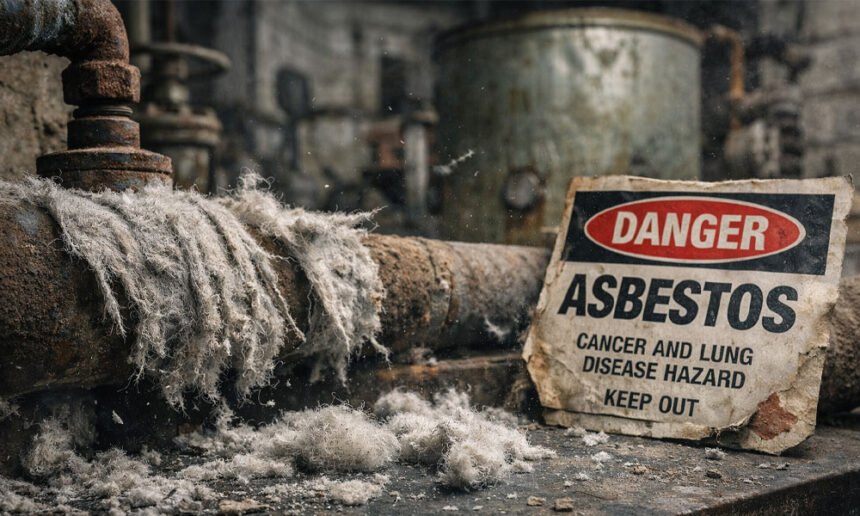
You may have never heard the word asbestlint before — but if you live in an older home or work in an older building, it’s something you really need to know about. Asbestlint is a quiet threat that hides in walls, ceilings, and even around old pipes. It looks like soft lint or harmless dust, but it can actually be very dangerous.
In this article, we’re going to make everything about asbestlint super easy to understand. You’ll learn what it is, where it hides, why it’s harmful, and how to protect yourself and your loved ones. We’ll walk you through step by step, using clear and simple words. Let’s begin with the basics.
What Is Asbestlint?
Asbestlint is a fibrous material made from asbestos. It was used many years ago as insulation in homes and buildings. People liked it because it was strong, didn’t burn easily, and helped keep buildings warm or cool. It was often wrapped around hot pipes or tucked into walls.
The word “asbestlint” comes from its texture. It looks like soft lint or cotton, but it’s made from tiny sharp fibers. These fibers can float in the air when disturbed. That’s when the danger begins — you can’t see or feel them, but you can breathe them in.
Many people used asbestlint in the past without knowing how harmful it could be. Today, we understand the health risks, but it still exists in many buildings built before 1990. That’s why it’s important to know what to look for.
Where You Might Find Asbestlint
If you live or work in a building that was made before the 1990s, there’s a chance asbestlint could still be inside. It doesn’t stand out like a broken window or a leaky faucet — instead, it hides in quiet corners.
You might find asbestlint:
-
Wrapped around old pipes or heating systems
-
Inside walls, especially near boilers or ducts
-
Behind ceilings or roof materials
-
In old floor tiles or glue under the floors
-
Inside machines in older factories or warehouses
It was also used in some cars — like in brake pads or clutches — especially in older vehicles. The tricky part is, it often blends in with other materials, so you might not even notice it’s there unless someone checks for it.
Why Asbestlint Is So Dangerous
Asbestlint may look soft, but it’s made up of sharp, tiny fibers that can get deep into your lungs if you breathe them in. These fibers don’t break down inside your body. They stay there for many years, slowly causing damage.
The scary part is that asbestlint doesn’t make you sick right away. You can be around it and feel fine. But after 20 or 30 years, serious health problems can start. That’s why it’s called a “silent threat.”
Imagine doing home repairs, pulling off old insulation, and a cloud of dust rises. That dust might carry asbestlint fibers, and once they’re in the air, they can spread quickly and enter your lungs without you realizing it.
Health Risks Linked to Asbestlint Exposure
Breathing in asbestlint over time can lead to very serious health problems. These issues don’t show up overnight — they often take many years to develop, which makes early awareness so important.
Here are some of the health problems linked to asbestlint:
-
Asbestosis – This is when your lungs get scarred and stiff. It becomes hard to breathe, and you may feel short of breath even after walking a short distance.
-
Mesothelioma – A rare and deadly cancer that affects the lining of the lungs or stomach. It’s almost always caused by asbestos exposure.
-
Lung cancer – The risk is even higher for people who smoke and have been exposed to asbestlint.
-
Pleural plaques – These are thick patches that form on the lining of your lungs. They might not cause pain, but they show damage has occurred.
These health problems are serious, and that’s why asbestlint should never be taken lightly — even small exposure can be harmful over time.
Early Symptoms to Watch Out For
The tricky thing about asbestlint is that it doesn’t cause symptoms right away. But if you’ve been exposed in the past, you might start to feel changes in your body years later. Knowing the early signs can help you catch problems before they get worse.
Here are some common early symptoms:
-
A dry cough that won’t go away
-
Feeling short of breath, even during simple activities
-
Chest tightness or mild chest pain
-
Feeling tired all the time, even with enough rest
-
Getting lung infections more often than usual
These symptoms can feel like common illnesses, which is why they’re easy to ignore. But if you’ve ever lived or worked around old materials, it’s worth getting checked by a doctor — especially if you’ve been in a building with possible asbestos.
How to Tell If Asbestlint Is in Your Home
You can’t always see asbestlint easily. It can be hiding inside walls, behind ceilings, or wrapped around pipes. It might look like fluffy insulation or grey tape. Some people mistake it for regular dust or harmless old padding.
Here are a few signs that may point to asbestlint:
-
Old, fraying insulation on pipes or around heaters
-
Lint-like residue near boilers or ducts
-
Brittle, dusty materials that break apart when touched
-
Ceiling textures that look like sprayed-on paint or popcorn finish
If your home was built before 1990, there’s a higher chance that some parts of it may still contain asbestos, including asbestlint. But remember: never try to touch or remove it yourself. That can release dangerous fibers into the air.
Instead, the safest thing to do is to call a licensed asbestos professional who can test it properly without putting anyone at risk.
What to Do If You Suspect Asbestlint
If you think asbestlint might be in your home or workplace, the most important thing is not to touch it. Even a small disturbance, like brushing against it or trying to clean it, can release dangerous fibers into the air.
Here’s what you should do:
-
First, stay calm. Just because it’s there doesn’t mean you’re in danger — unless it’s disturbed.
-
Next, keep people and pets away from the area. Close the room if you can.
-
Then, take a few clear photos from a distance (without touching anything) and note the location.
-
Call a licensed asbestos inspector to come and test it safely.
Never try to test it yourself. Special gear and tools are needed to check for asbestlint without spreading it into the air. Let the professionals handle it.
How Asbestlint Is Safely Removed
Removing asbestlint is not something anyone should do without proper training. It’s not like cleaning dust or fixing a leaky pipe. Because of the health risks, only certified asbestos professionals are allowed to remove it in most places.
Here’s how the removal process works:
-
First, they inspect and test the area to know how much asbestlint is there.
-
Next, they seal off the space using plastic sheets and special machines that suck the air out (called negative pressure).
-
Then, they wear full-body suits and special masks to protect themselves while working.
-
They spray water on the materials to keep the fibers from floating in the air.
-
After removal, they vacuum everything using HEPA filters, clean the area fully, and pack the waste in sealed bags.
-
Finally, they take the bags to approved hazardous waste sites for safe disposal.
This careful process keeps everyone safe. Trying to do it yourself could spread the asbestlint throughout your home.
Laws and Rules About Asbestlint
Because asbestlint is so harmful, there are strong laws about how it should be handled. These laws are different in each country, but the goal is always the same — to keep people safe.
For example:
-
In the UK, the Control of Asbestos Regulations (2012) says that only licensed workers can remove it.
-
In the United States, OSHA has strict rules to protect workers who deal with asbestos.
-
Across Europe, similar laws make sure workers wear safety gear and follow clear steps.
These rules also say that:
-
You must check for asbestos before doing big repairs or demolition.
-
You must use trained people for testing and removal.
-
You must dispose of it at approved places, not regular trash bins.
-
Employers must train workers and test the air if they work near asbestos.
If you break these rules, there can be big fines — or even jail time. That’s why it’s always best to follow the legal steps when dealing with asbestlint.
How to Prevent Asbestlint Exposure
The best way to protect yourself from asbestlint is to avoid it altogether. That means knowing where it might be and not disturbing it.
Here are some smart steps you can take:
-
If you live in an older home, get a professional inspection before doing any renovations.
-
Don’t drill, sand, or scrape old ceilings, walls, or pipes unless you know they are safe.
-
Teach your family, workers, or tenants what asbestlint is and where it may be hiding.
-
Keep a copy of any past asbestos inspections in case you sell or rent the property.
-
Choose safe materials like fiberglass or mineral wool when building or repairing.
These steps may seem small, but they can make a big difference in keeping you and others safe.
New Tools to Detect and Handle Asbestlint
Thanks to new technology, spotting and managing asbestlint is easier and safer than ever before. Today’s tools are faster, smarter, and more accurate than the ones used years ago.
Some modern tools include:
-
AI-powered air monitors that can detect tiny asbestos fibers in real-time.
-
Thermal imaging cameras that can find hidden asbestos behind walls or ceilings.
-
Encapsulation sprays that seal fibers in place, so they don’t float into the air.
-
Better training tools that help professionals learn faster and work more safely.
All of these tools help reduce risk. They also make the removal process quicker and more affordable in many cases.
Why Asbestlint Awareness Can Save Lives
Many people still don’t know what asbestlint is or how dangerous it can be. That’s why awareness is so important. The more people understand it, the safer everyone becomes.
Over the past few decades, public education and workplace training have helped lower the number of asbestos-related illnesses. But there’s still more to do — especially in homes, schools, and small buildings that haven’t been checked in years.
If you know what asbestlint is and how to spot it, you can help protect yourself and others. You can also teach your friends, family, or coworkers. Something as simple as sharing this article can make a real difference.
Conclusion
Asbestlint may be silent and invisible, but its dangers are real. Just one small area of old insulation or pipe wrap can lead to serious health problems many years later. That’s why it’s so important to know where it hides, what it looks like, and how to deal with it the safe way.
Whether you’re fixing up an old house, working in an old factory, or just curious about safety, always stay informed. Let trained experts handle testing and removal. Follow the rules. And most of all, stay aware.
Because when it comes to asbestlint, knowing the facts today can protect your health tomorrow.
FAQs
What exactly is asbestlint?
Asbestlint is a soft, fibrous material made from asbestos. It looks like dust or lint but is made of tiny sharp fibers that can harm your lungs if inhaled. It was commonly used as insulation or pipe wrapping in older buildings because it was heat-resistant and durable. The danger comes when it’s disturbed and those fibers become airborne.
Where is asbestlint usually found?
Asbestlint is mostly found in buildings built before the 1990s. You may find it:
-
Around pipes or boilers (as a wrapping)
-
Inside ceilings or behind wall panels
-
Under old floors or tiles
-
In roof insulation
-
In factories or old machines
It can also be present in some vintage car parts like brake pads.
Why is asbestlint dangerous to health?
Asbestlint is dangerous because it releases microscopic fibers when touched, damaged, or aged. These fibers can be inhaled and get stuck in your lungs. Over time, they cause scarring, irritation, and may lead to serious diseases like:
-
Asbestosis
-
Lung cancer
-
Mesothelioma
-
Breathing problems
How do I know if there is asbestlint in my home?
You can’t always tell just by looking. But signs include:
-
Fraying or dusty insulation on pipes
-
Brittle ceiling or wall materials
-
Buildings built before 1990
-
Strange lint-like dust near heaters or ducts
To be sure, always call a licensed asbestos inspector. Never try to check or test it yourself.
hat should I do if I think I found asbestlint?
If you think you’ve spotted asbestlint:
-
Do not touch it
-
Close off the area if possible
-
Keep people and pets away
-
Take a photo without disturbing it
-
Contact a professional asbestos specialist to inspect it safely
Can I remove asbestlint myself?
No, and in most countries, it’s illegal to remove asbestlint without a license. Removing it on your own can release harmful fibers and put your health — and others’ — at risk. Only trained and certified professionals have the proper tools and safety gear to do it safely.
How is asbestlint removed safely?
Professionals follow strict steps:
-
They first seal off the area using plastic and air filters
-
They wear full protective suits and masks
-
They wet the material to stop fibers from flying into the air
-
Then they remove it carefully, vacuum, and clean the space
-
Finally, they dispose of the material at special hazardous waste sites
What laws protect people from asbestlint?
There are strong laws in place in many countries:
-
In the UK: Control of Asbestos Regulations 2012
-
In the US: OSHA’s asbestos rules
-
In Europe: EU asbestos safety directives
These laws require:
-
Professional testing and removal
-
Proper training and protective gear
-
Safe waste handling
Breaking these laws can lead to serious fines or penalties.
How can I prevent exposure to asbestlint?
You can prevent exposure by:
-
Getting older buildings inspected before renovating
-
Never touching unknown insulation or dusty materials
-
Using safe, modern materials like fiberglass for repairs
-
Teaching others (like family or workers) about the risks
-
Calling professionals when in doubt
Is asbestlint still a risk in 2025 and beyond?
Yes, asbestlint still exists in millions of buildings around the world, especially in older homes, schools, factories, and public buildings. Even though new asbestos use is banned in many places, old materials still remain. That’s why awareness, inspection, and safe removal are still very important today — and will continue to be for years to come.
You may also read: Giniä: The Quiet Idea Changing How We Live and Create