
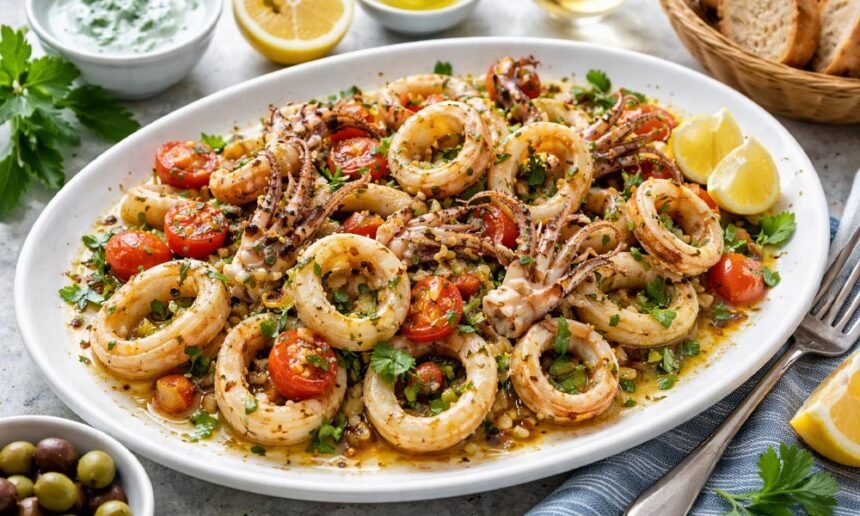
Have you ever tried a dish that feels simple, yet somehow very special? That is exactly how calamariere feels. At first glance, it may look like a normal squid dish. But once you learn its story, flavors, and meaning, you realize it is much more than that.
In 2025, people are not only interested in food that tastes good. They also want food with a story. Calamariere brings together tradition, culture, and modern creativity in one plate. In this article, we will explore what calamariere really is, where it came from, and why so many food lovers are curious about it today.
We will start with the basics. Then we will slowly move into its history, meaning, and cooking styles. Everything will be explained in a very easy way, so anyone can enjoy reading and learning.
What Is Calamariere?
Calamariere is a Mediterranean-style dish made using squid. But it is not just about frying squid and serving it. Calamariere is about care, balance, and respect for the ingredient. It focuses on making squid soft, tasty, and enjoyable, without hiding its natural flavor.
Many people hear the word calamariere and ask, “Is this the same as calamari?” That is a fair question. Calamariere is closely related to calamari, but it often feels more refined. It may include special cooking styles, better seasoning, or even a deeper cultural meaning.
Think of calamariere as a step above regular calamari. It is still friendly and easy to enjoy, but it also feels thoughtful. It is food made with purpose, not rushed or careless.
The History Behind Calamariere
The story of calamariere begins near the sea. Long ago, people living on Mediterranean coasts depended on fishing to survive. Squid was easy to catch and full of nutrition, so it became a common food in daily life.
Over time, families learned better ways to cook squid. They grilled it over fire, fried it quickly in oil, or cooked it slowly in sauce. These simple methods slowly turned into special recipes passed down from parents to children. This is where calamariere began to take shape.
In places like southern Italy and nearby islands, squid dishes became part of celebrations and family meals. Calamariere was not just food. It was a sign of togetherness, comfort, and local pride.
Calamari vs. Calamariere: What’s the Difference?
Many people already know calamari. It usually means fried squid rings served with lemon or sauce. It is popular in restaurants and very easy to recognize. Calamariere, however, goes a bit deeper than that.
Calamari is often quick food. Calamariere is more thoughtful food. With calamariere, the focus is on how the squid is prepared, seasoned, and served. It can be grilled, stewed, or lightly fried, but always with care.
You can think of it this way. Calamari is the simple version you order quickly. Calamariere is the version you remember later and want to try again. It is not about being fancy. It is about doing things the right way.
How Calamariere Is Cooked Traditionally
Traditional calamariere cooking uses very few ingredients. This is done on purpose. Squid already has a soft and mild taste, so it does not need heavy flavors. Olive oil, garlic, lemon, and fresh herbs are usually enough.
One common method is grilling. The squid is cooked quickly over high heat. This keeps it soft and juicy. Another popular method is frying it very fast in hot oil. When done right, calamariere becomes crispy outside and tender inside.
Some families prefer slow cooking. In this method, squid is cooked in tomato sauce with herbs. This creates a deep, rich flavor. Each home may have its own small secret, which makes every calamariere dish a little different.
Tasty Variations of Calamariere Around the World
As people moved and traveled, calamariere traveled with them. Different countries added their own touch. In Italy, it is often light and crispy. In Spain, it may come with garlic and parsley as a shared snack.
In parts of Asia, squid dishes became spicy and bold. Chili, soy sauce, and sweet glazes are often used. These versions still respect the squid but add stronger flavors. This shows how flexible calamariere can be.
In the United States and other modern food scenes, calamariere appears in creative ways. You may see it in tacos, pasta, or even sandwiches. The base idea stays the same, but the style changes to match local tastes.
How to Make Calamariere at Home
Making calamariere at home is easier than many people think. The most important part is not overcooking the squid. Squid cooks very fast, so timing matters a lot.
First, clean the squid well or buy it already cleaned. Cut it into rings or leave it whole, depending on the recipe. For fried calamariere, use a light flour mix and fry for only one or two minutes. This keeps it soft.
For grilled calamariere, a simple mix of olive oil, garlic, and lemon works well. Grill it quickly and serve it right away. When cooked with care, homemade calamariere can taste just as good as restaurant food.
Best Sauces and Sides for Calamariere
Every great dish becomes even better with the right sauces and sides. And calamariere is no different. Since squid has a light flavor, it pairs well with both simple and bold sauces.
Many people love dipping it in marinara sauce or lemon-garlic aioli. These sauces add flavor without hiding the taste of the squid. You can also try herbed olive oil, sweet chili, or even soy-based glazes if you like a twist.
As for sides, calamariere goes well with fresh salads, grilled vegetables, or roasted potatoes. You can even serve it with flatbreads or rice. For drinks, try white wine, lemonade, or sparkling water with a slice of lime. The goal is to keep everything light and fresh.
Why Calamariere Is Good for You
Besides tasting great, calamariere is also good for your health. Squid is low in fat and calories but high in protein, which helps build and repair muscles. That’s one reason many health-conscious people love it.
It also contains important nutrients like vitamin B12, selenium, and omega-3 fatty acids. These help support your heart, brain, and immune system. Omega-3, in particular, is great for reducing inflammation and boosting mood.
Since calamariere can be grilled or air-fried with little oil, it fits well into diets like Mediterranean, keto, or gluten-free (if you use rice flour). It’s one of those dishes that feels like a treat but still supports a healthy lifestyle.
Calamariere in Modern Food Culture
In 2025, people want more than just tasty food. They want food that feels meaningful, creative, and personal. That’s why calamariere is becoming popular again—not just in restaurants, but also on social media and in pop culture.
Some chefs serve it with fancy sauces and pretty plating. Others sell it as street food in the form of tacos or sliders. You might even see it in food shows or food blogs where people explore seafood with style.
Calamariere has become more than a dish. It’s now a way for people to connect with the sea, with tradition, and with new ideas. It’s a dish that fits into both old-school kitchens and modern food trends.
The Meaning Behind the Word “Calamariere”
The word calamariere sounds a bit fancy, doesn’t it? That’s because it’s built like words such as “chocolatiere” or “cavaliere,” which suggest skill or craft. It’s not just about food—it’s about the person or idea behind it.
The root of the word is “calamari,” which means squid. The “-iere” part makes it feel like someone who knows squid well, or even a master of squid dishes. In some online communities, people even use it as a fun nickname for someone stylish or mysterious.
So when you say calamariere, you’re not just naming a dish. You’re talking about a food with depth, identity, and creative soul. It’s a word that carries both flavor and feeling.
Tips for Buying and Choosing Good Squid
If you want to make calamariere at home, getting good squid is very important. Fresh squid should smell like the sea, not like fish. The skin should be smooth, and the eyes should be clear.
You can buy whole squid and clean it yourself, or get it pre-cleaned. Frozen squid works too—just make sure it’s good quality and doesn’t have freezer burn.
Try buying from local seafood shops or markets if you can. Ask the seller questions. They often know when it was caught and how to cook it best. The better the squid, the better your calamariere will turn out.
Conclusion
Calamariere is not just food—it’s a story. It brings together the old and the new. It mixes flavor with feeling. Whether you enjoy it grilled with lemon or fried with sauce, you’re tasting something that has traveled through time and across cultures.
It’s simple enough to enjoy at home, yet special enough for a restaurant. It’s healthy, versatile, and full of meaning. In 2025, with people caring more about where food comes from and what it represents, calamariere fits right in.
So next time you see squid on the menu—or at the market—think about calamariere. Try it. Share it. And enjoy the taste of tradition with a modern twist.
FAQs
What is calamariere?
Calamariere is a Mediterranean-inspired seafood dish made with squid. It’s not just about frying squid like regular calamari — it’s a more thoughtful way of cooking and presenting it. Calamariere focuses on flavor, tradition, and care. It can be grilled, stewed, or fried, and is often part of both home cooking and fine dining.
Is calamariere the same as calamari?
No, calamariere and calamari are not exactly the same. Calamari usually means simple fried squid rings. Calamariere is a broader and more refined version. It includes many different cooking styles and cultural flavors. It also represents a deeper culinary experience, not just a quick snack.
Where did calamariere come from?
Calamariere has roots in old Mediterranean coastal communities. Places like Italy, Greece, and Spain helped shape it. Fishermen used to catch fresh squid and prepare it with simple ingredients like garlic, olive oil, and lemon. Over time, families turned these meals into traditional recipes passed down for generations.
How do you cook calamariere without making it rubbery?
The secret to good calamariere is timing. Squid cooks very fast. You should either cook it very quickly (1–2 minutes) or very slowly (45 minutes or more). Overcooking it for 10–20 minutes makes it rubbery. Grilling, frying, or stewing all work well if you follow the right timing and keep the heat in control.
Is calamariere healthy to eat?
Yes, calamariere is a healthy seafood choice. Squid is low in calories and fat but high in protein. It also has omega-3 fatty acids, vitamin B12, and selenium — all good for your heart, brain, and immune system. If you avoid heavy batter or deep frying, it’s a great dish for many diets.
What sauces go best with calamariere?
Calamariere tastes great with many sauces. Some popular choices include:
-
Lemon-garlic aioli
-
Marinara sauce
-
Herbed olive oil
-
Soy-ginger glaze
-
Sweet chili sauce
These sauces help bring out the squid’s natural flavor without covering it up.
Can I make calamariere at home?
Yes! Making calamariere at home is easier than it seems. Start with good-quality squid, clean it well, and choose a method: quick-fry, grill, or stew. Add simple seasonings like garlic, lemon, herbs, and olive oil. With a little care, your homemade calamariere can taste just like a dish from a seaside restaurant.
What are some popular variations of calamariere?
Different countries have their own twist on calamariere:
-
Italy: Fried rings with marinara
-
Spain: Tapas-style with garlic and parsley
-
Japan: Grilled whole squid with soy glaze
-
Southeast Asia: Spicy squid with chili paste
-
USA: Fusion versions like squid tacos or squid burgers
Each style adds something new but keeps the heart of calamariere alive.
Why is it called calamariere?
The word “calamariere” comes from “calamari,” meaning squid, and the suffix “-iere,” which gives it an artistic and refined feel. It sounds similar to words like “chocolatiere” or “cavaliere,” which suggest craft and care. So calamariere feels like a dish — and an identity — made by someone who really knows and loves squid.
Is calamariere just food, or does it mean something more?
Calamariere is more than food. It’s a symbol of tradition, creativity, and skill. In modern food culture, it’s becoming a way to talk about seafood with style and meaning. Some even use it as a fun nickname or digital identity. Whether on a plate or in conversation, calamariere brings flavor, emotion, and a story worth sharing.
You may also read: Rodwajlery Explained: Is It a Dog Breed or Just a Fun Online Word?