
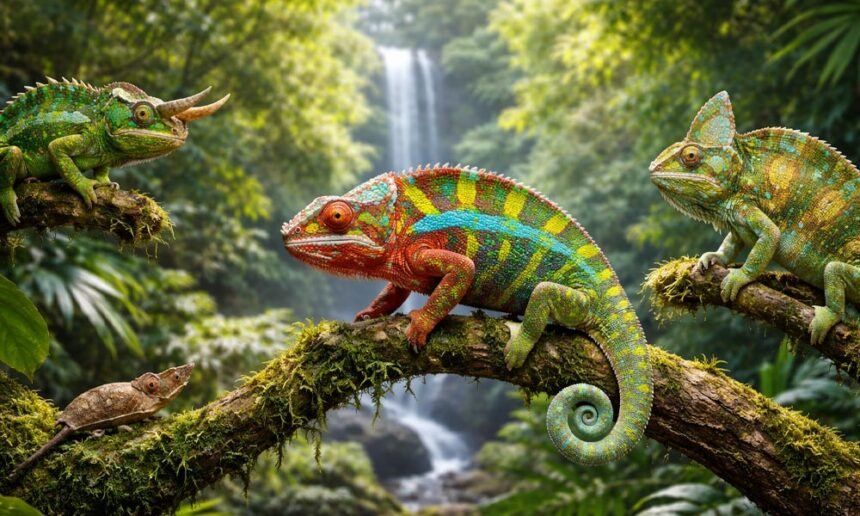
Have you ever seen a lizard change its color right in front of your eyes? That moment feels almost unreal. This is exactly why chameleónovité catch so much attention today. In 2025, more people than ever are searching for these amazing reptiles and wanting to understand how they live and why they are so special.
Chameleónovité are not just beautiful animals. They are smart survivors of nature. They can change color, move their eyes in different directions, and catch food in a blink. In this article, we will explore everything about chameleónovité in a clear and simple way. We will talk about what they are, where they live, how many types exist, and what makes them so unique. Let’s start this colorful journey together.
What Does Chameleónovité Mean?
The word chameleónovité may look strange at first. It comes from Czech and Slovak languages. In simple words, it means chameleons. In science, it refers to the chameleon family, also called Chamaeleonidae.
This family includes all true chameleons found around the world. When people use the word chameleónovité, they are talking about the full group, not just one type. It helps scientists and nature lovers talk clearly about these reptiles as a family.
The name itself comes from very old Greek words. It roughly means “earth lion.” Even though chameleónovité are not lions, the name fits their strong grip, bold look, and calm power in nature.
Where Do Chameleónovité Live?
Chameleónovité mostly live in warm parts of the world. The largest number live in Madagascar, an island famous for unique animals. Many others live across Africa, with a few found in Asia and southern Europe.
Most chameleónovité love trees and bushes. Forests give them places to hide and hunt insects. Some live in dry areas like deserts or open land with little shade. A few even live close to the ground among leaves.
Because many chameleónovité live in small areas, changes in nature affect them fast. Cutting forests or changing weather can remove their homes. This is why knowing where they live is very important.
How Many Types of Chameleónovité Are There?
There are more than 200 types of chameleónovité known today. Scientists keep finding new ones, especially in forests that are hard to reach. This shows how rich and surprising nature still is.
Some chameleónovité are very small. One type is so tiny it can sit on the tip of your finger. Others grow long and strong, almost as long as a cat’s tail. Size depends on where they live and what they eat.
Popular types include panther chameleons with bright colors and horned chameleons with strong heads. Each type has its own look, habits, and skills. This wide variety makes chameleónovité exciting to study and watch.
Unique Features That Make Chameleónovité So Cool
Chameleónovité look different from almost all other lizards. Their eyes move on their own, so they can watch two things at once. This helps them stay safe and spot food without moving much.
Their feet are shaped like tiny hands. Two toes face one way, and the rest face the other way. This gives chameleónovité a strong grip on branches. Many also have long tails that wrap around trees for extra support.
One of the coolest features is their tongue. It shoots out very fast and can be longer than their body. This lets chameleónovité catch insects without jumping or running. All these features help them survive in trees and bushes.
Why Do Chameleónovité Change Colors?
Many people think chameleónovité change color to match anything around them. This is not fully true. Color change happens for many reasons, not just hiding.
Chameleónovité change color to show feelings. Bright colors can mean anger or excitement. Dark colors can mean fear or cold weather. Light colors help them stay cool under the sun.
Their skin has special layers that move light and color. When these layers change shape, the color changes too. This smart system helps chameleónovité talk without sound and stay safe in nature.
What Do Chameleónovité Eat?
Most chameleónovité eat insects. They enjoy crickets, flies, ants, and other small bugs. Their fast tongue makes catching food easy and fun to watch.
Larger chameleónovité may eat small birds or lizards. Some even eat leaves or fruit from time to time. This helps them get extra water and nutrients.
In the wild, chameleónovité drink water from rain drops on leaves. They prefer moving water, not still bowls. Their diet and drinking style show how closely they are connected to nature.
How Do Chameleónovité Live in the Wild?
Chameleónovité are calm and quiet animals. They usually live alone. Most are active during the day and rest at night. They move slowly, almost like they’re dancing, to look like leaves blowing in the wind. This helps them hide from danger.
They don’t run or jump much. Instead, they sit still and wait for food to come close. Then—snap!—their fast tongue catches it in a flash. They also use color to talk without words. If another chameleon comes too close, they may turn bright to say, “Go away!”
In the wild, they drink drops of water from leaves. They love rain and mist. Even though they look gentle, they can show strong colors if they feel scared or angry. Their slow life is a smart way to stay safe and use less energy.
Life Cycle of Chameleónovité: From Eggs to Adults
Chameleónovité start life as eggs. Most females dig small holes in the ground and lay eggs inside. Some lay just a few eggs. Others lay over a hundred! The eggs take months to hatch—sometimes up to a year.
Some chameleónovité, like a few from Africa, give live birth instead of laying eggs. That’s rare but still part of their cool story. When baby chameleons hatch or are born, they are on their own right away. They don’t need help from parents.
They begin climbing, eating, and hiding from the first day. As they grow, their colors become brighter. Males often grow horns or special shapes on their heads. This helps them attract mates. Their life is full of quiet moments, sharp eyes, and clever ways to stay safe.
Keeping Chameleónovité as Pets: What You Should Know
Many people want to keep chameleónovité as pets. It’s easy to see why. They are beautiful, calm, and fun to watch. But owning one is not always simple. They need very special care to stay healthy.
They need tall cages with real or fake plants for climbing. Their home should feel like a jungle—with the right humidity, temperature, and UV light. Without these things, they can get sick quickly.
Also, chameleónovité don’t like to be held too much. They get stressed easily. So, if you want a cuddly pet, a chameleon may not be the best choice. But if you enjoy watching and learning, they can be a great friend—just from a little distance.
Are Chameleónovité Endangered?
Sadly, many chameleónovité are in danger of disappearing. The biggest problem is habitat loss. When people cut down forests to build roads or farms, chameleons lose their homes. Some also face trouble from illegal pet trade.
Climate change is another risk. It changes the weather and water supply, which can harm their eggs and food sources. About 1 in 3 chameleon species is now at risk, especially those with very small home areas.
Good news? Many groups are trying to help. They protect forests, raise baby chameleons in safe places, and teach people not to take them from the wild. You can help too—by learning, sharing, and supporting the right organizations.
Fun Facts About Chameleónovité
Did you know some chameleónovité are so small they can sit on your fingertip? One kind, called Brookesia nana, is one of the tiniest reptiles on Earth. On the other side, Parson’s chameleon can grow as heavy as a loaf of bread!
Their tongues are faster than race cars—they can shoot out in less than one second. And here’s something really fun: some chameleons glow blue under UV light because of bones in their heads!
Also, the toes on their back feet are flipped compared to the front. This helps them climb better. And they don’t drink from bowls—they love licking raindrops or water that drips from leaves. Cool, right?
Why Chameleónovité Matter in Nature and Culture
Chameleónovité do more than just look pretty. They help keep insect numbers low. That means fewer bugs that might harm plants or bother animals. They are also food for birds, snakes, and mammals, helping the whole food chain stay balanced.
In many cultures, chameleons stand for change and clever thinking. People use them in art, stories, cartoons, and even fashion. You might see a chameleon on a shirt, a bag, or in a movie as a symbol of flexibility and calm power.
By learning about chameleónovité, we understand not just reptiles—but also the smart, beautiful way nature works. They remind us that even the quietest animals have big roles to play.
Conclusion
So now you’ve seen why chameleónovité are called nature’s coolest color-changing reptiles. From their glowing colors to their sharp tongues and tree-hugging feet, they are truly one-of-a-kind. They live in forests, deserts, and even your screen—through videos and stories that amaze people around the world.
They are not just fun to look at. They help nature, show us how to adapt, and inspire art and science. If we protect their homes and respect their needs, we can keep these amazing creatures around for many more years.
Whether you’re a student, a pet lover, or just someone who enjoys learning about cool animals, the world of chameleónovité is full of wonder, color, and life.
FAQs
What does the word “chameleónovité” mean?
“Chameleónovité” is a word used in Czech and Slovak languages to describe chameleons. It refers to the full family of these amazing reptiles, known scientifically as Chamaeleonidae. In English, we simply call them chameleons. But no matter the name, they’re known for changing colors, climbing trees, and living quietly in nature.
Where do most chameleónovité live?
Most chameleónovité live in warm, tropical places. Many are found in Madagascar, with others in Africa, Asia, and even small parts of southern Europe. They love forests, bushes, and places where they can climb and stay hidden. A few can live in dry deserts too, but most enjoy trees and leafy plants.
How many types of chameleónovité are there?
There are more than 200 known species of chameleónovité. Some are very small, no bigger than your thumb, while others are large and heavy. New types are still being discovered, especially in deep forests. Each one has its own color, size, and way of life.
Why do chameleónovité change their color?
They change color for many reasons! It’s not just to hide. Chameleónovité change colors to show their mood, control their body temperature, and even talk to other chameleons. For example, they might turn bright colors when angry or darker colors when cold.
Are chameleónovité good pets?
Chameleónovité can be good pets for the right person. They are quiet and fun to watch, but they need special care. They need tall cages, the right heat, UV lighting, and lots of plants to climb. They don’t like to be touched much, so they’re better for watching than holding.
What do chameleónovité eat in the wild?
In the wild, they eat insects like crickets, flies, grasshoppers, and even small lizards or birds if they’re big enough. Some also eat plants, fruits, or leaves. They use their long, sticky tongue to catch food fast and from far away.
Do all chameleónovité lay eggs?
Most chameleónovité lay eggs, but a few types give live birth. The females lay eggs in small holes in the ground. After a few months (or sometimes a year), the baby chameleons hatch and live on their own from the very start.
Are chameleónovité in danger?
Yes, sadly many chameleónovité are endangered. They lose their homes when forests are cut down. Some are taken from the wild for pet sales. Climate change also makes it harder for them to survive. But many groups are working to protect them and their habitats.
What makes chameleónovité special in nature?
Chameleónovité help control bug populations by eating lots of insects. They are also part of the food chain, meaning other animals eat them too. Because they are sensitive to changes, they help scientists understand if an environment is healthy or not.
Can chameleónovité glow in the dark?
Some chameleónovité can glow under UV light! This glow comes from special bones in their heads. You won’t see it with your eyes in the dark, but under ultraviolet light, they shine with a blue glow. It’s just one more amazing thing that makes them so unique.
You may also read: Plftiger Explained: The Smart Future of Tech, Security, and AI