
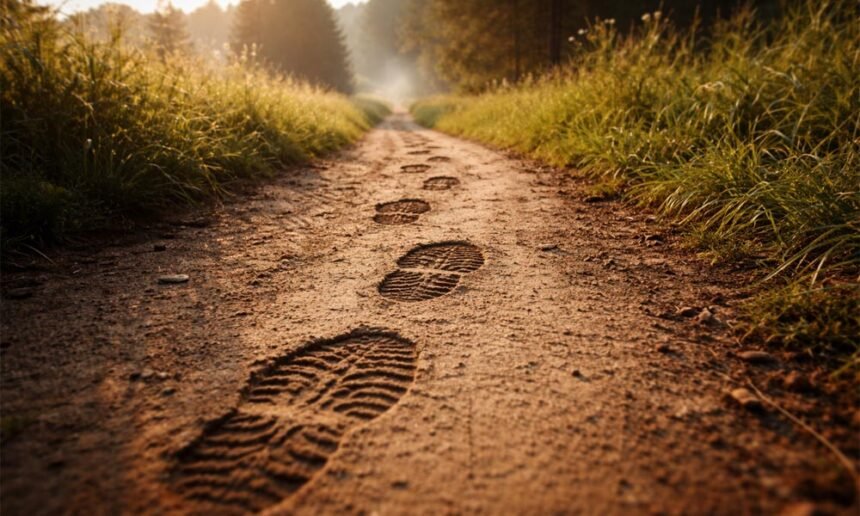
Have you ever seen a trail of footprints in the sand or soft soil and felt a story behind it? That quiet sign of movement, of someone who passed by — that’s the kind of feeling the word piçada brings.
In Portuguese, piçada might look like a simple word. But when you dig a little deeper, you’ll find that it holds much more. It’s not just about walking or stepping. It’s about presence, passage, memory, and even tradition. From old farm paths to poetic lines in books, piçada shows up in many beautiful ways.
In today’s article, we’ll explore what piçada really means, where it comes from, how people use it in daily life, and why it matters. Whether you’re learning Portuguese, curious about culture, or just love words — this is for you.
What Does Piçada Mean in Simple Words?
Let’s start with the basics. Piçada is a Portuguese word that usually means “footprint” or “footstep.” It can also describe a path or trail made by many steps over time. Imagine walking through a muddy garden — your footprints behind you? That’s a piçada.
But it doesn’t stop there. It can also mean:
-
A mark on grass, dirt, or soft ground
-
A sign that someone or something passed by
-
A narrow path created by repeated walking (by humans or animals)
So, while piçada starts with a simple idea — one step — it often tells a bigger story of movement and presence.
The Real Origin of the Word Piçada
The word piçada comes from the Portuguese verb pisar, which means “to step on” or “to tread.” When you pisar the ground, you make a mark. That mark — the result of stepping — is called a piçada.
Here’s something simple but cool:
-
Pisar (to step) → Piçada (the step’s result)
It’s also a feminine noun in Portuguese. That just means it uses words like a piçada (the footprint), not o piçado. This small detail is important if you’re learning the language because it helps you build sentences correctly.
Language often turns action into something you can see or name — and that’s what happened here.
Different Ways People Use Piçada
Now that we know what piçada means, let’s look at how people actually use it.
In real life, piçada shows up in a few different ways:
-
Farmers might look for animal piçadas to track cattle or wildlife
-
Hikers might follow an old piçada through the forest
-
Kids playing in the rain might leave a muddy piçada trail behind
It can describe a single footprint, but often it means a trail made by many steps. So if you see a narrow path through tall grass where people or animals often walk, that’s a piçada too.
This makes the word very visual and practical. You don’t need to be a poet to use it — though poets love it too!
Why Piçada Matters in Portuguese Culture
In many Portuguese-speaking regions, especially in rural areas, piçada is more than a word — it’s part of daily life.
Imagine:
-
A shepherd tracking his flock by spotting fresh piçadas
-
A child learning to follow forest paths by recognizing the piçada
-
Families using the same piçada trail for generations
In places close to nature, people pay attention to these small signs. They tell stories. A fresh piçada can mean someone passed just moments ago. An old one can show a well-traveled route.
It’s all about movement, memory, and connection with the land. That’s why the word stays alive in conversations — even when life changes.
The Symbolic Side of Piçada
Words can hold feelings, not just meanings. Piçada is one of those words.
In poetry and books, piçada is often used to talk about:
-
A person’s journey through life
-
The memory someone leaves behind
-
The influence of someone who came before you
Writers may say things like:
“He left his piçadas in our hearts.”
or
“Her path was marked by deep piçadas through time.”
Even though this isn’t about real footprints, the idea is the same — someone made a mark, and it stayed.
This symbolic use gives the word emotional power. It becomes a way to talk about presence, absence, and legacy. That’s why piçada is not just a “thing” — it’s a feeling too.
Piçada in Daily Conversations
You might wonder: do people still use piçada in everyday speech?
The answer is yes — especially in the countryside or small towns. In these places, it’s still common to hear:
-
“Tem uma piçada ali.” (“There’s a trail over there.”)
-
“Segue a piçada.” (“Follow the trail.”)
In cities, the word is less common in daily talk. But it may show up in stories, songs, or news articles — especially when describing nature, old traditions, or emotional memories.
Sometimes, people also use similar words like pegada (another word for footprint), but piçada keeps its own unique flavor — a bit more natural, rural, and poetic.
Other Meanings of Piçada Around the World
You might be surprised to know that piçada (or picada) doesn’t always mean a footprint. In other languages and places, it has different meanings.
For example, in Spanish-speaking countries, the word picada can mean a dish, not a trail. In Catalonia, Spain, it’s a sauce made with nuts, garlic, and herbs. In Colombia, it’s a grilled meat platter shared by families and friends. These dishes are also called picada — and they bring people together just like stories do.
In some local dialects, piçada can also mean small pieces or scraps. People use it to talk about little bits that come together — like in a craft or a meal. So, depending on where you are, the word changes, but the idea of “pieces that tell a story” stays strong.
The Food Side: What Is a Picada Dish?
Let’s talk about food for a moment.
In Catalonia, the picada sauce is used to add flavor to stews and meats. It’s made by grinding simple ingredients — like bread, nuts, and garlic — into a paste. It’s full of flavor and history.
In Colombia, a picada is a big plate of food that people share. It includes grilled meats, potatoes, plantains, and sauces. It’s fun, friendly, and made for gatherings. People laugh, eat, and enjoy the moment together.
Both dishes show that even in cooking, picada or piçada brings people together. It’s all about mixing things to create something special — just like the different meanings of the word.
Modern Uses of Piçada and Picada
Even in today’s digital world, piçada is still useful.
Many people now use piçada to talk about their digital steps — like the posts, likes, or comments they leave online. This is called a digital footprint, and in Portuguese, it’s sometimes described using the same word.
Writers and bloggers also use piçada to describe someone’s path in life. For example, “her piçadas in music” might mean the way a singer changed the world with her songs.
In social media, people often post memories or journeys using this word. It keeps the idea of “movement and trace” alive, even on screens.
Piçada vs. Picada: What’s the Difference?
These two words look very similar — but they don’t always mean the same thing.
-
In Portuguese, piçada usually means a footstep, trail, or mark.
-
In Spanish or Catalan, picada can mean a dish or sauce.
-
Sometimes, picada is used in slang to mean a funny comment or joke.
The key is to listen to the sentence and see where the speaker is from. That will help you understand which version they’re using. Both words come from similar roots, but their meanings have changed in different cultures.
Why Learning Piçada Helps Language Learners
If you’re learning Portuguese, piçada is a great word to know.
Why? Because it shows how language is more than translation. One word can carry action, feeling, and story. It teaches you how verbs like pisar become nouns like piçada. This helps you speak better and understand more deeply.
It also helps you enjoy stories, poems, and songs in Portuguese. You’ll begin to see how simple words can carry big meanings.
And for translators or writers, piçada is a good example of why context is everything. You can’t always just say “footprint.” Sometimes, “trail,” “mark,” or “trace” works better. You need to feel the sentence.
Conclusion
So, what’s the big idea behind piçada?
It’s more than a footprint. It’s a sign that something happened. That someone was here. That a path was walked. Whether in mud, memory, or online, piçadas show where we’ve been.
From farm trails to family dishes, from poems to pixels, piçada is a word that connects places, people, and meaning. It reminds us that even the smallest steps can leave a mark.
Next time you walk on soft ground, look behind you. That quiet print you left? That’s a piçada. And just like that, you’ve added one more step to your story.
FAQs
What does piçada mean in simple words?
Piçada is a Portuguese word that means footprint, footstep, or trail. It refers to the mark left on the ground after someone or something walks. It can also describe a path formed by repeated walking.
Where does the word piçada come from?
The word piçada comes from the Portuguese verb pisar, which means to step on or tread. Over time, it became a noun used to describe the result of stepping — the trace left behind.
Is piçada used in everyday Portuguese?
Yes, especially in rural areas and natural settings. People use it to describe animal tracks, foot trails, or any mark left on soft ground. In cities, it’s less common but still used in storytelling or poetic language.
Does piçada have a deeper meaning?
Yes, it can be symbolic. Piçada is often used in books, poems, and songs to talk about someone’s journey, influence, or memory — like the mark a person leaves on others or the world.
Can piçada mean a digital footprint too?
Yes. In modern language, piçada can also describe a digital footprint — such as the posts, comments, or actions someone leaves online. It’s a new way the word is used today.
What’s the difference between piçada and picada?
In Portuguese, piçada means footprint or trail. But in Spanish or Catalan, picada can mean a food dish, like a sauce or meat platter. The words look alike, but their meanings change by region and context.
What is a picada dish in food culture?
In Catalonia, picada is a thick sauce made with nuts, garlic, and herbs. In Colombia, picada is a large platter of grilled meats, potatoes, and plantains, often shared at gatherings. Both are tasty and tied to tradition.
Is piçada a feminine word in Portuguese?
Yes, piçada is a feminine noun in Portuguese. This means you use it with words like “a” (a piçada) and match it with feminine adjectives in a sentence.
How is piçada used in Portuguese culture?
It plays a big role in rural life. Farmers use piçada to track animals, walkers use it to follow trails, and writers use it to describe memories or emotions. It connects language with real life.
Why is piçada useful for language learners?
Because it teaches how one word can carry literal and emotional meaning. It also helps learners understand how Portuguese turns verbs into nouns and shows why context matters when translating or writing.
You may also read: Caricatronchi: The Fun, Futuristic Word With a Surprising Meaning