
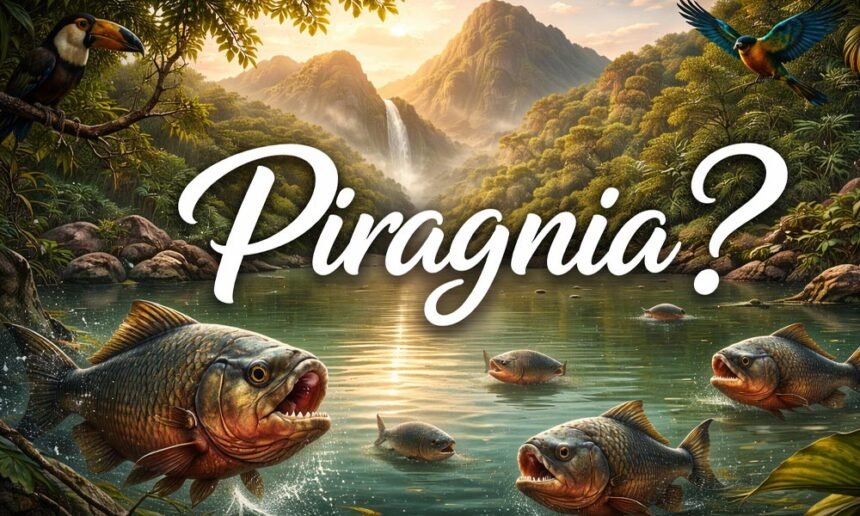
Have you ever searched for a word online and felt unsure if it was real or not? That’s exactly what happens with piragnia. Many people see this word on blogs, videos, and search results and wonder if it is a rare fish, a new species, or something science has not fully explained yet.
In this article, we will clearly explain what piragnia really means. We will talk about where the word came from, why it became popular, and what science actually says. By the end, you will know if piragnia is a mistake, a myth, or something more.
What Is Piragnia, Really?
The word piragnia is often used when people talk about river fish with sharp teeth. Many readers believe piragnia is a real fish found in South America. Others think it may be a rare or newly discovered species.
In truth, piragnia is not a real fish name. It is a word that appears mostly online due to spelling mistakes, sound confusion, and repeated copying of incorrect information. Once a wrong word is shared enough times, it starts to look real.
This is why piragnia feels confusing. It looks serious. It sounds scientific. But that does not mean it is correct.
Piragnia vs. Piranha: What’s the Difference?
This is where things become clear. Piragnia and piranha are not two different fish. The real fish is called a piranha. Piragnia is simply a mistaken form of that word.
Piranhas are well-known freshwater fish from South America. They have been studied for many years and appear in real science books and databases. Piragnia does not appear in any official records.
So when people say piragnia, they are almost always talking about piranhas, even if they do not realize it.
Where the Word “Piragnia” Comes From
The confusion starts with language. The real word piranha comes from the Tupi language, spoken by Indigenous people in the Amazon. In that language, “pira” means fish, and “anha” means tooth. Together, it means “toothed fish.”
The problem is that the “nh” sound does not exist in English. Many people struggle to spell or hear it correctly. This leads to spelling changes like pirania, piragna, and finally piragnia.
Over time, these spelling errors spread across the internet. Once many sites repeat the same mistake, it starts to feel normal.
Why Piragnia Keeps Showing Up Online
Search engines play a big role here. When many people type piragnia into search bars, websites start using that word to get traffic. Even if it is wrong, it brings clicks.
Blogs copy from blogs. Videos copy from captions. Social media repeats what looks popular. This creates a loop where piragnia keeps appearing, even though it is incorrect.
In 2025, search systems are better at correcting mistakes. But older content and fast-made articles still keep the word alive.
Is Piragnia a Real Fish? Science Says No
Let’s be very clear. Piragnia is not a real fish species. It does not appear in FishBase, ITIS, or any trusted science database. No biologist has ever named or described a species called piragnia.
Scientists recognize more than 60 species of piranhas, all properly classified and studied. Piragnia has no place in biology, no fossils, and no records.
So if you see piragnia described as a new or hidden fish, that information is not correct.
The Real Animal Behind Piragnia: The Piranha
Behind the word piragnia is the real fish called the piranha. Piranhas live in rivers like the Amazon and Orinoco. They are freshwater fish and cannot survive in the ocean.
Piranhas are known for their sharp teeth, but they are not constant attackers. Most species eat a mix of fish, insects, fruits, and plants. Many are calm and avoid humans.
Their scary image comes mostly from movies and old stories, not daily life in South America. Millions of people live near piranha rivers and swim there safely.
Are Piranhas Dangerous? Let’s Break the Myth
When people hear “piranha” or even “piragnia,” they often imagine scary fish that can eat anything in seconds. This idea mostly comes from movies and wild stories. But what does science say?
In real life, piranhas are not that dangerous. Yes, they have sharp teeth. But they are shy and usually avoid humans. Most bites only happen when the fish feel trapped or scared — like during droughts or breeding times. Millions of people swim in piranha-filled rivers every year and never get hurt.
So, the scary stories about piragnia attacking humans are not true. They are just myths that have been passed around for years.
Piragnia in Pop Culture and Movies
Movies and games love to use fish like piragnia to create drama and fear. In some horror films, these fish are shown as swarms that destroy everything in their path. They even get new names like “piragnia” to sound cooler or more mysterious.
Writers sometimes make up new versions of animals to build suspense. “Piragnia” may be one of those names. It sounds close to “piranha” but feels like a secret species. This adds mystery, even if it’s not real.
Because of this, many people started believing piragnia was an actual fish. But it’s just a creative twist that spread across the internet.
Why the Piragnia Mistake Matters
You might ask, “If piragnia isn’t real, why does it matter?” Good question. It matters because wrong words cause confusion — especially online.
When many people see the word piragnia on websites, they think it’s real. They share it. They search for it. Some even write about it without checking the facts. This spreads the mistake even further.
By knowing that piragnia is not a real fish, we help stop the cycle. We keep facts clear and make it easier for others to learn the truth.
How to Research Fish the Right Way
In a world full of fast information, it’s easy to get things wrong. So how can you check if something like piragnia is real?
Here are some simple tips:
-
Use trusted sites like FishBase, ITIS, or National Geographic
-
Search for the correct word: piranha, not piragnia
-
Avoid blogs or videos that don’t list sources
-
Check if the name appears in scientific records
If you don’t find piragnia in real biology lists, that’s a big clue it’s not real. Double-checking can save a lot of confusion.
Piragnia as a Productivity Concept (Optional Twist)
Interestingly, in some places, Piragnia has a totally different meaning. It’s not about fish at all — it’s about focus and planning. Some people now use Piragnia as the name for a life system that helps with time, goals, and balance.
This use of the word has nothing to do with rivers or animals. It’s just a new idea that uses the same name. This shows how one word can mean very different things in different places.
Still, in biology, the word piragnia is not a species. So it’s important to separate the creative use from the scientific truth.
Conclusion
So, what have we learned? Piragnia is not a real fish. It is a common mistake — a word that sounds right but isn’t in any science book.
The real fish is called piranha. It lives in rivers in South America, has sharp teeth, and plays an important role in the ecosystem. It’s not a monster — it’s part of nature.
When we learn to spot mistakes like piragnia, we become better researchers, smarter readers, and more careful with facts. And that’s something we can all feel good about.
FAQs
Is Piragnia a real fish?
No, Piragnia is not a real fish. It’s a common misspelling or mistaken version of the word piranha. You won’t find Piragnia listed in any official scientific database or biology textbook.
Why do people think Piragnia is real?
Because the word sounds scientific and shows up on websites, blogs, and even in videos. When people see it often, they start believing it’s real. But it’s simply a mix of spelling mistakes and internet confusion.
What’s the difference between Piragnia and Piranha?
There’s no biological difference. The real fish is called piranha, which comes from the Tupi language. Piragnia is just a wrong or creative version of the word. They refer to the same animal, but only one is correct.
Where did the word “Piragnia” come from?
It likely came from people trying to spell “piranha” without knowing the correct way. Because the “nh” sound doesn’t exist in English, many people change it to “gnia” or “nia” by mistake. Over time, the word spread online.
Do search engines like Google treat Piragnia as a real word?
Sometimes, yes. When lots of people search for “piragnia,” Google tries to help by showing results for “piranha.” This can make it seem like piragnia is real, but it’s just search engine logic trying to match what you mean.
Are piranhas dangerous to humans?
Not really. Piranhas (and piragnia, if you mean the same) are usually shy and avoid humans. Most bites happen only when the fish feel threatened or food is scarce. Attacks are rare and mostly small nips.
Why is it important to correct the Piragnia mistake?
Because using the wrong word spreads confusion. When people believe in terms that don’t exist, it makes learning harder. Using the correct term—piranha—helps others find real facts and stay informed.
Can Piragnia also mean something else?
Yes, in some places, Piragnia is used as a name for a life or productivity method. This has nothing to do with fish. It’s a new concept built on ideas like focus and planning. But in science, piragnia is still not a real animal.
How can I check if a fish name is real?
Use trusted science websites like:
-
FishBase
-
ITIS (Integrated Taxonomic Information System)
-
National Geographic or biology textbooks
These sources will show real fish names and descriptions. If “piragnia” isn’t there, it’s not official.
What should I do if I see Piragnia in an article or video?
Don’t worry — it’s a common mistake. But now you know the truth. You can share what you’ve learned or simply search using the right word: piranha. Helping spread correct info makes a big difference.
You may also read: Bảce: How This Ancient Idea Fits into Modern Life